



Flooded Basement Cleanup in Sterling Heights, Michigan
We help homeowners, landlords, property managers, condominium owners, and commercial property owners in Sterling Heights. Our technicians handle basement losses caused by burst pipes, appliance leaks, sump pump failures, heavy rain, snowmelt, roof leaks, and sewer backups. We work in finished basements, rental properties, offices, retail spaces, warehouses, and other occupied buildings.
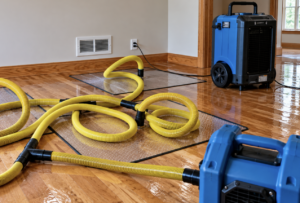
Our process starts with an assessment of the source, affected rooms, building materials, and safety risks. We document moisture levels, explain the work, remove the water, and set up drying equipment based on the condition of the property. This gives you a clearer plan from the first inspection through cleaning and repair planning.
Water in your basement can damage flooring, drywall, insulation, belongings, and the structure below your home or business. If the area is safe to enter, move people and pets away from the water and call our team. Do not enter water near outlets, appliances, or electrical equipment. We remove standing water, check how far it traveled, and begin a controlled cleanup and drying plan.
Need Restoration Help in Sterling Heights? Call 586-204-0882
How We Handle a Flooded Basement
We first identify the water source and inspect the basement and connected rooms. Moisture mapping helps us find wet areas below flooring, inside walls, and behind cabinets or baseboards. We also check stored contents, framing, subflooring, and nearby rooms so water damage does not remain hidden.
Our technicians use extraction equipment to remove standing water from carpet, pad, flooring, and other wet surfaces. Moisture meters help track damp materials, while thermal imaging supports the search for hidden moisture. Air movers and dehumidifiers then support controlled structural drying.
Drying is monitored rather than judged by how a surface looks. We record moisture readings, clean salvageable surfaces, and separate materials that can dry in place from materials that need removal. After the structure is stable, we explain the remaining work for drywall, insulation, baseboards, cabinets, flooring, subflooring, or other affected materials.
Water from a sewer backup requires careful handling because it may affect surfaces and contents differently from clean water. We isolate affected areas, remove damaged materials, and follow a cleanup plan based on the source and condition of the loss.
Commercial Flooded Basement Cleanup
Commercial basement flooding can affect offices, retail spaces, warehouses, and industrial facilities with shared systems, equipment, inventory, loading areas, and occupied rooms. Our team plans equipment placement, hose routes, work zones, and access around unaffected areas and ongoing operations.
Property managers and business owners receive clear documentation of affected rooms, photos, moisture readings, equipment placement, and completed work. That record helps keep decisions organized while the property moves from water removal to drying, cleaning, and repair planning.
Basement Water Risks in Sterling Heights
Many established Sterling Heights homes have basements, attached garages, older plumbing, or sump systems that need a close inspection after a loss. Dresden Village is one example of an established subdivision where basement seepage and aging drainage systems can affect the cleanup plan. We look at the path water took instead of stopping at the first visible stain.
Multifamily and mixed-use properties also need checks beyond one room. Water can move through shared walls, corridors, mechanical rooms, and occupied units. We plan drying zones and access around residents, tenants, equipment, and unaffected parts of the building.
Water Damage Cleanup Pricing
We explain the work involved in your flooded basement cleanup before restoration proceeds.
- Small water loss: $1,000–$3,000
- Moderate water loss: $3,500–$7,500
- Large water loss: $7,500–$15,000+
These prices are general reference points and are not a quote or estimate for a specific property. Actual restoration costs depend on the source and category of water, affected square footage, materials involved, length of exposure, equipment needs, demolition, cleaning, drying time, and repairs. A complete price estimate requires an onsite inspection because the final scope depends on the actual conditions at the property.
Frequently Asked Questions
What should I do first after my basement floods?
Keep people and pets away from the water and avoid areas near outlets, appliances, or electrical equipment. If the area is safe to enter, stop the water source if you can do so safely and contact our team for an assessment.
Can you remove standing water from a finished basement?
Yes. We use extraction equipment to remove water from finished basements, then inspect flooring, drywall, insulation, contents, and hidden areas for trapped moisture.
How do you dry a flooded basement?
We map moisture, remove standing water, and use air movers and dehumidifiers to support controlled structural drying. Our technicians monitor moisture readings instead of relying only on surface appearance.
Can a sump pump failure cause serious basement damage?
Yes. A failed sump pump can allow water to spread across flooring and into walls, contents, and lower building materials. We inspect the path of the water and check nearby areas during the assessment.
Do you handle basement flooding in commercial properties?
Yes. We work with offices, retail spaces, warehouses, and other commercial properties. The plan accounts for access, occupied areas, shared systems, equipment, inventory, and business operations.
What happens if the flooding came from a sewer backup?
Sewer-related flooding requires a separate cleanup plan. We identify affected materials and contents, isolate the work area, remove damaged materials, and clean surfaces based on the source and condition of the loss.